Najloni i upredenice
Najloni i upredenice U Barracuda Shopu nudimo raznolik asortiman ribolovnih najlona i...
Najloni i upredenice U Barracuda Shopu nudimo raznolik asortiman ribolovnih najlona i...
Esca
Referentni broj proizvoda:7090018060267
Na zalihi
Nije moguće učitati dostupnost preuzimanja.
Features a green slow flash that gently fades in and out, designed for murky and shallower water conditions.
Recommended for clear and/or deep water conditions, both offshore and inshore. Esca® can be used alone as a small jig, or rigged to your favorite lure or natural bait.
Also rig an Esca® in combination with spinners, plugs, light jigs, or even trolling skirts to suit different fishing techniques and conditions.
At night, fish can see Esca® lights from a long distance, similar to their natural living food sources. The varying light pulses mimic real prey and trigger hunting and biting instincts, resulting in more powerful bites.
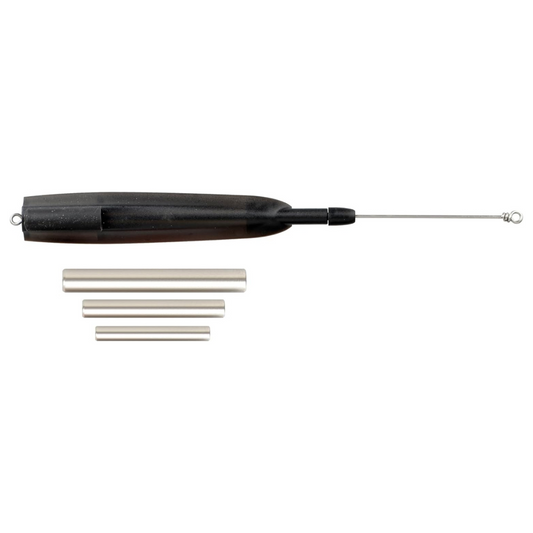
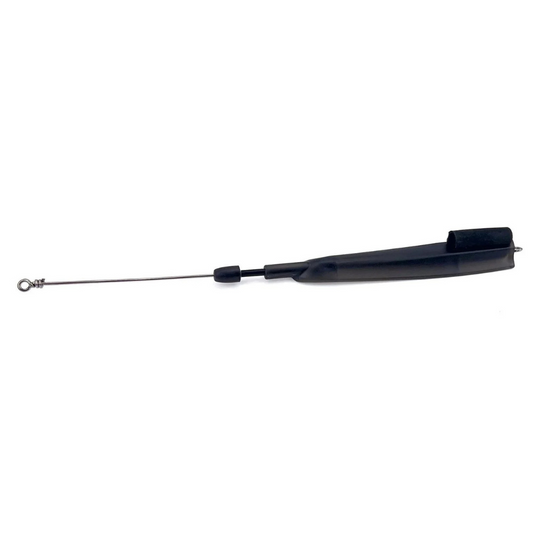
Esca® weighs approximately 7 grams and comes with two high-quality split rings that withstand up to approximately 20 kg.
The lure visually attracts fish, while the unique electromagnetic field created around Esca® makes fish feel like they are eating live prey, encouraging harder and more committed bites.
Esca® requires no batteries and generates its own energy in salt water, delivering continuous attraction without maintenance.
Allows for a wide variety of rig configurations. Add an Esca® to your favorite setups, or combine it with Esca® accessories such as Esca® shrimp or squid to increase your catch—day or night.
Esca® Blue and Esca® Green are optimized to emit specific wavelengths that mimic the dominant decoy lights used by marine organisms.
Blue light is the color most often used by marine organisms in their light organs and is the wavelength that penetrates the deepest and longest into water. In shallower waters with more particles and algae, green light is used more often, although this varies by season and location.
Experience shows that static light does not attract fish as effectively as dynamic light, which is why Esca® is available in fading and multi-flash patterns.
The effect of frequencies and colors can vary from season to season and from place to place. If results are not optimal, try a different color or frequency.